
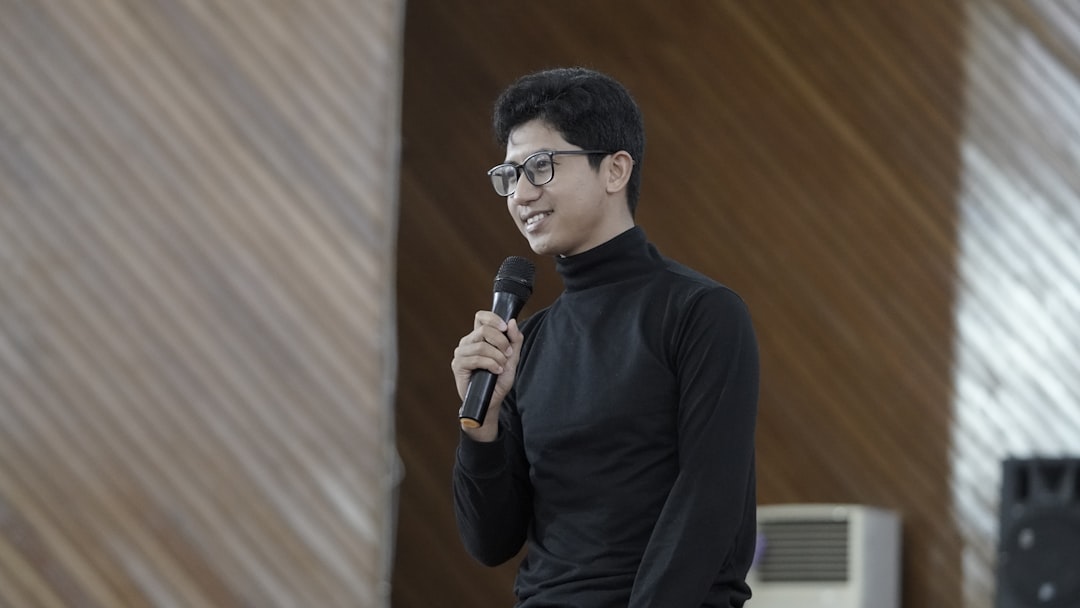
The Art of Public Speaking: Transforming Fear into Power

Public speaking is often regarded as one of the most terrifying experiences one can face. Yet, it is also one of the most empowering skills a person can master. Imagine standing in front of an audience, your voice resonating, your message clear, and the energy in the room palpable. The ability to communicate effectively can elevate your personal and professional life in ways you may not have considered. So, how can we transform the common fear of public speaking into a powerful tool for change and connection?
Let’s face it: the idea of speaking in front of a crowd can make even the most seasoned professional break into a sweat. Whether it’s a presentation at work, a wedding toast, or a speech at a charity event, public speaking can strike fear into the hearts of many. However, this fear is not insurmountable. With practice and the right techniques, anyone can become a confident speaker.
One of the first steps to overcoming fear is understanding the psychology behind it. When we think about public speaking, our minds often race with ‘what ifs’—what if I forget my lines? What if they don’t like what I have to say? This is where the power of preparation comes in. Preparing not only your content but also your mindset can dramatically shift how you approach your speaking engagements. Instead of viewing the audience as a group of critics, consider them as allies, eager to hear what you have to share.
Now, let’s explore some unique and practical approaches to mastering public speaking. First, consider joining a local Toastmasters club. These organizations are dedicated to helping individuals improve their speaking and leadership skills in a supportive environment. You’ll get the chance to practice regularly, receive constructive feedback, and gradually build your confidence.
If joining a group isn’t your style, there are countless online resources available that offer public speaking courses. From videos to webinars, these platforms can help you learn at your own pace, focusing on aspects that you find most challenging. Additionally, you can engage in DIY approaches such as recording yourself while practicing speeches and then reviewing the footage. This technique allows you to analyze your body language, tone, and pacing, which are crucial elements of effective communication.
Let’s talk about the content of your speech. Great speakers know how to engage their audience by telling compelling stories. Integrating personal anecdotes or case studies can make your message resonate on a deeper level. Remember, people connect with stories—not statistics. If you can weave a narrative that aligns with your main points, you’ll capture and hold your audience’s attention.
Another unconventional approach is to utilize visual aids. Slideshows, infographics, and even props can enhance your message and provide a visual anchor for your audience. However, be cautious not to rely too heavily on these tools. The spotlight should remain on you and your delivery.
As you embark on your public speaking journey, consider the importance of feedback. After each presentation, ask for constructive criticism from trusted friends or colleagues. What worked well? What could be improved? This feedback loop is invaluable for your growth as a speaker.
Let’s also address the emerging trend of virtual public speaking. With the rise of remote work and online events, being able to communicate effectively through a screen has become crucial. Familiarize yourself with the technology you’ll be using and practice engaging your audience in a virtual setting. This includes using eye contact with the camera, utilizing the chat function for audience interaction, and ensuring your background is professional and free of distractions.
Finally, remember that public speaking is a skill that can always be honed. Even the most experienced speakers continue to learn and adapt. So, don’t be discouraged if you don’t nail it the first time. Each opportunity is a chance to grow and improve.
In conclusion, the art of public speaking is more than just a performance; it’s a chance to share your ideas, inspire others, and connect on a human level. By reframing your mindset, utilizing practical techniques, and embracing the learning process, you can transform fear into power and become the speaker you aspire to be. So go ahead, step up to the mic, and let your voice be heard!